







Search Results for: Iced Latte Making
Step-by-step Iced Latte Tutorial | What coffee beans to use for iced latte? What milk-to-coffee ratio tastes best? What to note when making iced latte at home?
Iced latte coffee seems like a very simple thing to make, [put ice, pour milk, pour coffee] and it's done. Though the operation looks simple, making a delicious iced latte still requires a good deal of mental understanding. First point: choose suitable materials. Why is iced latte so simple, yet basically every coffee bean menu has [more…]

Iced Latte Beginner's Guide | What's the Right Ratio of Milk to Coffee for an Iced Latte? What Should You Watch Out for When Making an Iced Latte at Home?
Making espresso is an essential skill for every barista, and nearly every coffee shop serves espresso-based drinks. What we commonly call espresso drinks are a series of coffee beverages made with espresso as the base. Today, let's make the easiest milk coffee among espresso drinks—the iced latte. The iced latte may seem like a [more…]

How Long Can an Iced Latte Be Stored? A Full Breakdown of the Standard Latte Ratio and Preparation Details
Iced latte may seem like a simple three-step process—add ice, pour milk, pour coffee—but making a truly delicious iced latte involves much more than meets the eye, from selecting ingredients and getting the ratios right to mastering the operational details. This article will explore three key aspects: choosing coffee beans and milk, pairing milk-to-coffee ratios, and the critical details in the production process, helping coffee enthusiasts understand the flavor control logic behind iced latte. It will also answer a common question: how long can an iced latte be kept after it's made? Using Front Street Coffee's Sunflower Warm Sun blend and Vitasoy fresh milk as examples, the article provides specific parameter references and explains how the espresso extraction state affects the entire drink, making it suitable for those looking to elevate their iced latte-making skills. [more…]

Iced Latte Making Tutorial: From Espresso Extraction to Milk-Coffee Ratio, Solving the Bitter and Sour Issues of Iced Latte
On a hot summer day, many people want to shake off drowsiness with a cup of coffee, but find Americano too bitter. At times like this, a sweet, smooth iced latte becomes the ideal choice. This article will teach you step by step how to make a delicious iced latte at home, covering everything from espresso extraction parameters and ideas for choosing coffee beans, to the ratio of milk to coffee, and even the small details that are easy to overlook during preparation. It will also discuss whether an iced latte actually tastes bitter or sour, and how to choose between it and an iced Americano. If you love floral and fruity notes, the article also recommends beans suitable for making iced lattes, such as Front Street Coffee Strawberry Candy Espresso. [more…]
Can iced lattes achieve latte art effects? Analyzing why hot milk is the key to latte art
The delicate latte art patterns on a hot latte are always a pleasure to behold, but why is it that an iced latte, made from the same espresso and milk, almost never features latte art? Behind this lies the science of milk foam formation, the effect of temperature on blending, and various practical limitations. Front Street Coffee has made multiple attempts at making iced milk foam, from handheld frothers to French presses, in an effort to replicate latte art on cold drinks, but the results were less than satisfactory. This article will delve into the scientific principles of latte art, compare the differences between making hot and iced lattes, and share Front Street's real experiences and final results from iced milk foam experiments. If you've ever wondered why iced lattes can't have latte art, or want to understand the challenges of making cold milk foam, this article will reveal it all. [more…]

Espresso Milk Coffee | What Is a Dirty Coffee and How Does It Differ from an Iced Latte? What Are the Differences in How You Drink a Dirty and an Iced Latte?
Since the ingredients used to make a Dirty and an iced latte are exactly the same—both are iced milk plus espresso—and they look much the same, both featuring a layered structure created by the milk and the espresso, Front Street Coffee often gets asked by customers drinking iced lattes: "Both are iced milk plus espresso, so what's the difference between a Dirty and [more…]

How to Make a Delicious Iced Latte: A Complete Guide from Choosing Beans and Milk to Ratios and Technique Details
Iced latte may seem like it only takes three steps to make—add ice, pour milk, pour coffee—but there is actually a great deal of knowledge involved in truly making a delicious iced latte. From choosing coffee beans and milk, to matching the milk-to-coffee ratio, to the operational details of extraction and cup assembly, every step directly affects the final flavor performance. This article will take the iced latte—the most approachable milk coffee among espresso drinks—as an example, and combine it with Front Street Coffee's actual production experience to sort out the three core points to pay attention to when making an iced latte, helping coffee lovers reliably recreate a layered, well-balanced iced latte at home. [more…]

What Is a Latte? A Detailed Guide to Making Iced Latte at Home and Milk Ratios
As midsummer arrives, icy drinks become the top choice for beating the heat, and a glass of iced coffee is a favorite for many. Rather than going out to buy one, why not make an iced latte at home yourself? From the professional perspective of Front Street Coffee, this article will introduce the definition of a latte and explain in detail how to make an iced latte, including selecting coffee beans, choosing the right milk, and the specific steps for each stage. We will also recommend Front Street Coffee's specialty blend and Front Street Strawberry Candy espresso blend beans, which are suitable for making iced lattes, to help you easily recreate a well-balanced, silky iced latte at home. [more…]
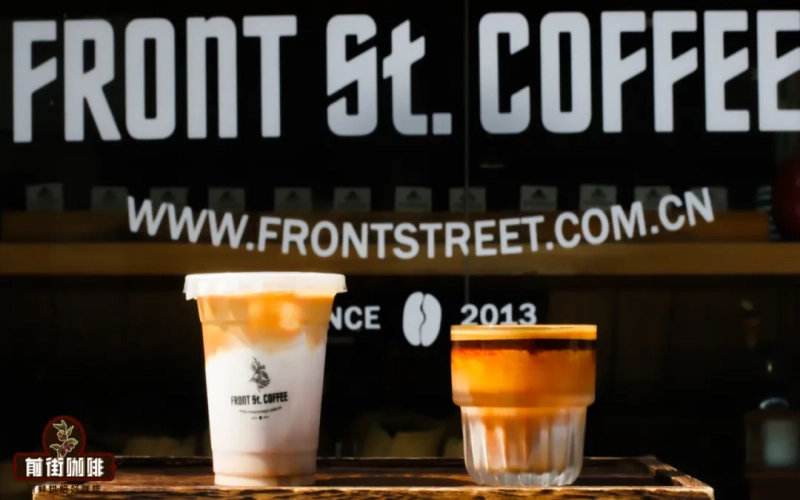
What exactly is the difference between a Dirty and an iced latte? A full breakdown of bean selection, cup size, layering, and how to drink it.
Dirty and iced latte are both combinations of cold milk and espresso, and because they look similar and use the same ingredients, they are often lumped together. But the two have significant differences in cup size, whether ice is added, cup temperature, the purpose of layering, and the way they are drunk. Dirty emphasizes taking a big gulp and experiencing the interwoven layers of hot and cold, bitter and sweet, while iced latte needs to be stirred evenly before enjoying its balanced taste. When making a Dirty, the choice of coffee beans is crucial. Front Street recommends medium-dark roasted blends or single-origin SOE beans to highlight caramel and chocolate flavors, and medium-light roasted beans can also be used to obtain fresh fruity notes. This article will, from Front Street's professional perspective, break down one by one the differences in making and tasting points between Dirty and iced latte. [more…]
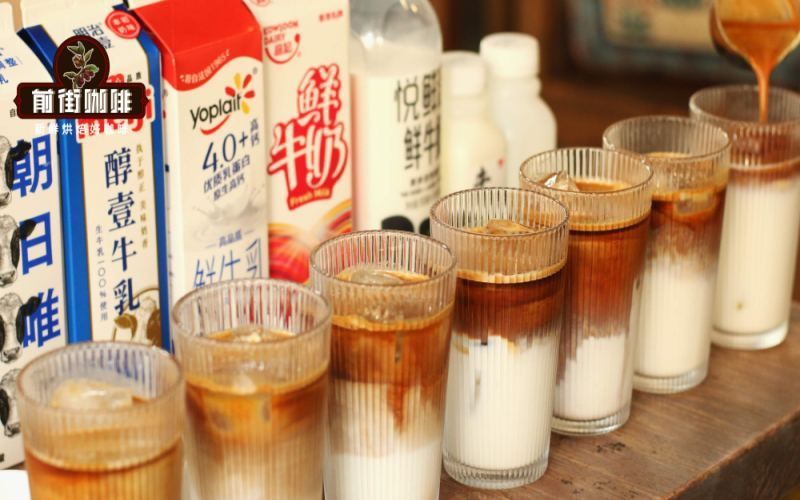
What's the difference between iced latte and iced coffee? Espresso extraction and pairing tips for making your own latte
Why is it that, even among iced coffees, the iced latte from a café is always more aromatic and smooth? From the perspective of Front Street, this article breaks down the conceptual differences between an iced latte and iced coffee, explains whether espresso can be used to make a latte, and offers actionable tips for making iced lattes at home, covering household equipment, coffee bean selection, espresso extraction standards, the coffee-to-milk ratio, and the use of ice. The article also recommends two espresso beans—Front Street Signature Blend and Front Street Classic Blend—which suit different needs such as home use, office use, and latte art for beginners, helping you get closer to the flavor performance of café-quality drinks. [more…]
Step-by-step Guide to Making Iced Latte: A Full Breakdown from Bean Selection and Milk Choice to Ratio Control and Technique Tips
An iced latte may seem like it only takes three steps to make: add ice, pour milk, add coffee. But to truly make a delicious iced latte, there are quite a few details to consider behind the scenes. From choosing coffee beans and milk, to the ratio between espresso, milk, and ice, to the rhythm of operations during extraction and assembly, every step directly affects the final flavor performance. This article uses Front Street Coffee's iced latte preparation as an example to sort out three key aspects—material selection, milk-to-coffee ratio, and operational details—to help coffee enthusiasts consistently reproduce a balanced, layered iced latte at home. [more…]
How do you make an iced latte at home that's up to coffee shop standards? A complete guide to making it, from choosing beans and milk, to the milk-to-coffee ratio and operating details.
Replicating a delicious iced latte at home is not as simple as pouring ice cubes, milk, and espresso into a cup one after another. Many coffee enthusiasts find after trying that their homemade iced latte always falls a bit short—either the milk flavor overpowers the coffee, or it tastes too watery. In fact, a proper iced latte involves three key aspects: the choice of ingredients, the ratio of milk to coffee, and attention to detail during preparation. Drawing on Front Street Coffee's production experience, this article breaks down the craft of making iced latte item by item, including recommended espresso blend beans suitable for pairing with milk, reference ratios of espresso to iced milk, and why a freshly made iced latte shows a beautiful gradient layering—the answers to these questions will all be revealed below. [more…]
Iced Latte Coffee Making Guide: Detailed Explanation of Espresso-to-Milk-and-Ice Ratio and Key Operating Points
Iced latte is the easiest milk coffee to master among espresso drinks. The process looks simple, but to make a delicious cup, the choice of ingredients, ratios, and details are all indispensable. This article covers three aspects: First, how to choose coffee beans and milk, recommending medium-dark roast beans such as Front Street Classic Blend and Front Street Dark Cocoa Base Blend, as well as fruit-forward beans like Front Street Strawberry Candy Espresso and Front Street Grana Geisha SOE, and explaining that milk should not be too rich or too thin; Second, reasonable milk-to-coffee ratios, using 40g of espresso, 240g of iced milk, and 75g of ice cubes as an example for reference and adjustment; Third, operational details, including achieving proper espresso extraction, working quickly, and the crema diminishing over time — key points to help you consistently replicate a cafe-level iced latte. [more…]
Latte Coffee Bean Selection Guide: Espresso Blends and Milk Pairing, Plus Key Points for Making Iced Lattes
Iced latte may seem like just three steps—add ice, pour milk, pour coffee—but making a delicious one requires attention from coffee bean selection to milk pairing. This article focuses on three core aspects: first, choosing the right materials—the espresso blend determines the flavor direction of the latte, and the milk should complement the coffee rather than simply seeking richness; second, properly balancing the milk-to-coffee ratio—Front Street Coffee's classic blend with Vitasoy fresh milk uses a reference of 20g grounds extracted in 25 seconds to yield 40g liquid, paired with 250ml milk and 75g ice; third, paying attention to operational details, including espresso extraction quality and preparation speed. The article also introduces Front Street Coffee's classic blend as a tribute to the Mamba recipe, with added Robusta to enhance the crema, suitable for home latte art. [more…]

Coffee Latte | What are the methods and techniques for making a latte? Which espresso beans are suitable for making a latte? Introduction to the latte milk-to-coffee ratio and espresso extraction recipe
Making a latte can be said to be a skill for every barista: first extract the espresso, then prepare the milk, and let the two achieve a perfectly balanced taste. But many friends say that when they make lattes at home, they always fail to achieve the effect of a coffee shop, so they ask Front Street Coffee for tips on making latte coffee. Iced latte coffee see [more…]
The Complete Guide to Making Iced Latte Coffee: A Detailed Explanation of Material Selection, Milk-Coffee Ratios, and Operational Details
An iced latte may seem to require just three steps—adding ice, pouring milk, and pouring coffee—but making a delicious one involves careful consideration from ingredient selection to ratios to operational details. Starting from the pairing of coffee beans and milk, this article introduces espresso blend options for different flavor profiles, including the characteristics and suitable scenarios of Front Street Specialty Blend, Front Street Dark Cocoa Blend, Front Street Classic Blend, Front Street Commercial Blend, and Front Street Strawberry Candy Espresso; it then provides a reference ratio for Front Street Iced Latte—35g espresso, 250ml fresh milk, and 75g ice cubes—and explains how adjusting the ratio affects the flavor; finally, it emphasizes the key roles of espresso extraction quality, preparation speed, and ice soaking time in the final taste and layering effect, helping coffee enthusiasts consistently reproduce a beautiful and delicious iced latte in their daily brewing. [more…]
Insights on Making an Espresso Latte: A Complete Analysis from Ingredient Selection and Milk-to-Coffee Ratio to Key Operational Points
Latte is a required course for every barista. It seems that all you need to do is mix espresso with milk, but recreating a cafe-level drink at home is not easy. Based on Front Street Coffee's hands-on experience, this article systematically breaks down several key steps in making iced lattes: how to choose suitable coffee beans and milk, how to determine a reasonable milk-to-coffee ratio, and which easily overlooked details matter during operation. The article also introduces Front Street Coffee's classic espresso blend, as well as the specific ratio parameters for using Sunflower · Warm Sun Blend and Vitasoy fresh milk, helping enthusiasts consistently make a well-balanced iced latte at home. [more…]
Iced Latte Making Tutorial: From Espresso Extraction to Coffee-to-Milk Ratio, with Detailed Coffee Bean Selection and Operation Techniques
On a scorching summer day, a glass of icy, smooth latte is often more appealing than a bitter Americano. This article will walk you through the process of making an iced latte, from espresso extraction parameters and coffee bean selection strategies to the ideal ratio of milk to coffee. It will also share three key tips for enhancing the flavor, including how to choose Italian-style beans based on roast level, how to master the milk-to-coffee ratio, and easily overlooked details in the process. Whether you're a beginner just starting out or an enthusiast looking to refine your skills, you'll find practical guidance here. Front Street Coffee also offers specific product recommendations for different flavor preferences. [more…]
Iced Latte Making Guide: A Full Breakdown of Milk-to-Coffee Ratios, Ice Amounts, and Key Operational Points
Iced latte may seem like it only takes three steps—add ice, pour milk, add coffee—but if you want to make a flavor that rivals a coffee shop's, there are quite a few details involved behind the scenes. This article unfolds from three dimensions—ingredient selection, milk-to-coffee ratio, and technique—explaining how coffee beans and milk influence the final outcome, and provides reference pairing options with specific data. At the same time, the article also analyzes how factors such as espresso extraction quality and ice melting speed affect the taste, helping enthusiasts understand why the same steps can produce iced lattes with noticeably different results. [more…]
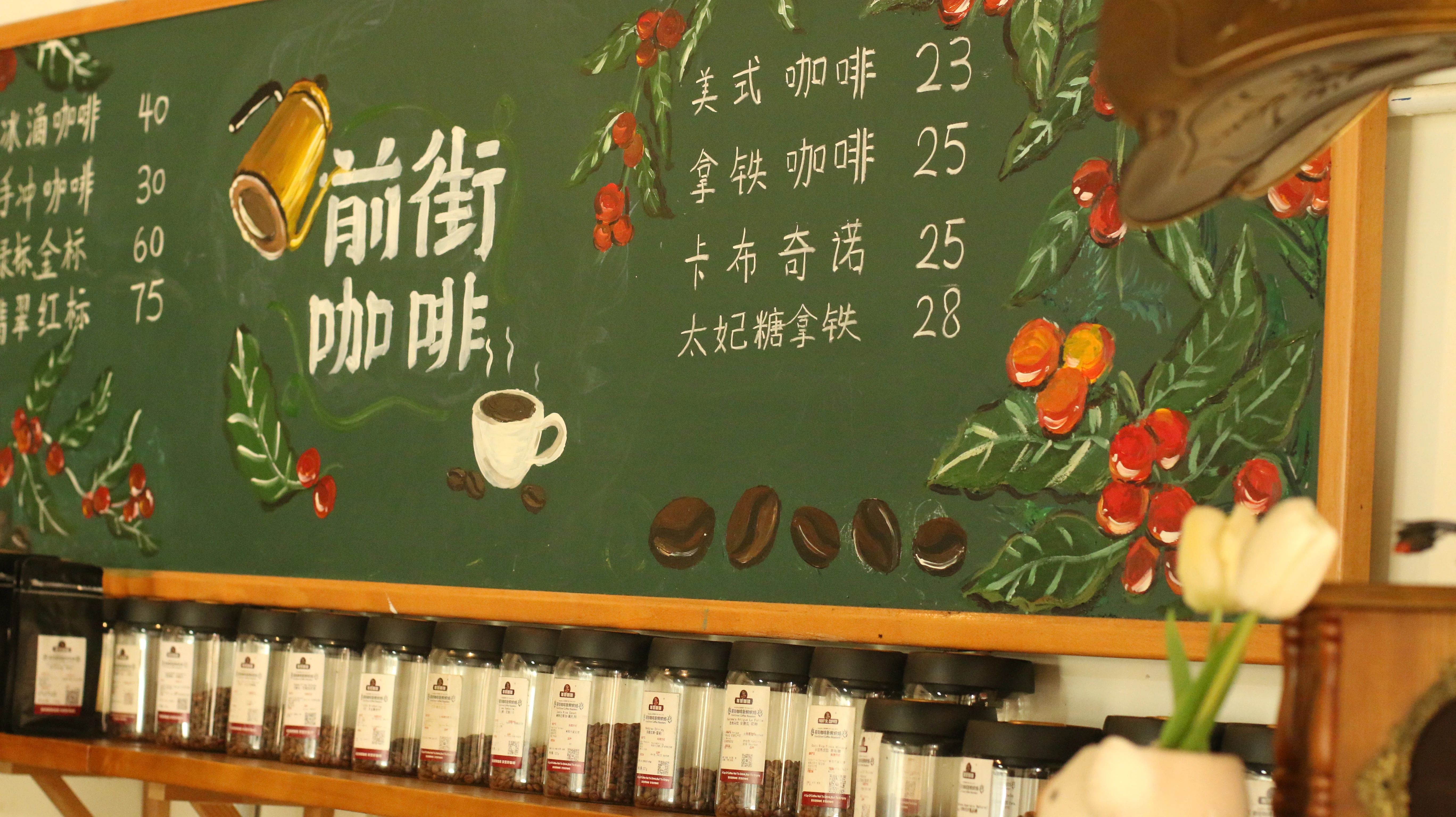
Espresso Beginner's Guide: How to Choose Between Americano and Milk Coffee, and a Full Guide to Making Iced Latte at Home
For those new to specialty coffee shops, facing a dazzling menu — Americano, Latte, Cappuccino, Pour Over, Ice Drip, Cold Brew — it's easy to feel overwhelmed at first. For friends who prefer a crisp, sweet, and smooth flavor, the Americano among black coffees is an ideal choice, refreshing and thirst-quenching; while consumers who can't quite handle bitterness are better suited to the milk coffee series made with espresso as a base and added milk or flavored syrup, such as Latte, Cappuccino, Mocha, etc., which have a more approachable taste. Among them, the Latte is the most popular thanks to its rich coffee aroma, balanced character, and silky texture, and an Iced Latte adds an extra touch of coolness. This article will guide you through how to choose coffee beans suitable for making an Iced Latte, and teach you step by step how to recreate a cup of Iced Latte at home that's just as good as a café's. [more…]